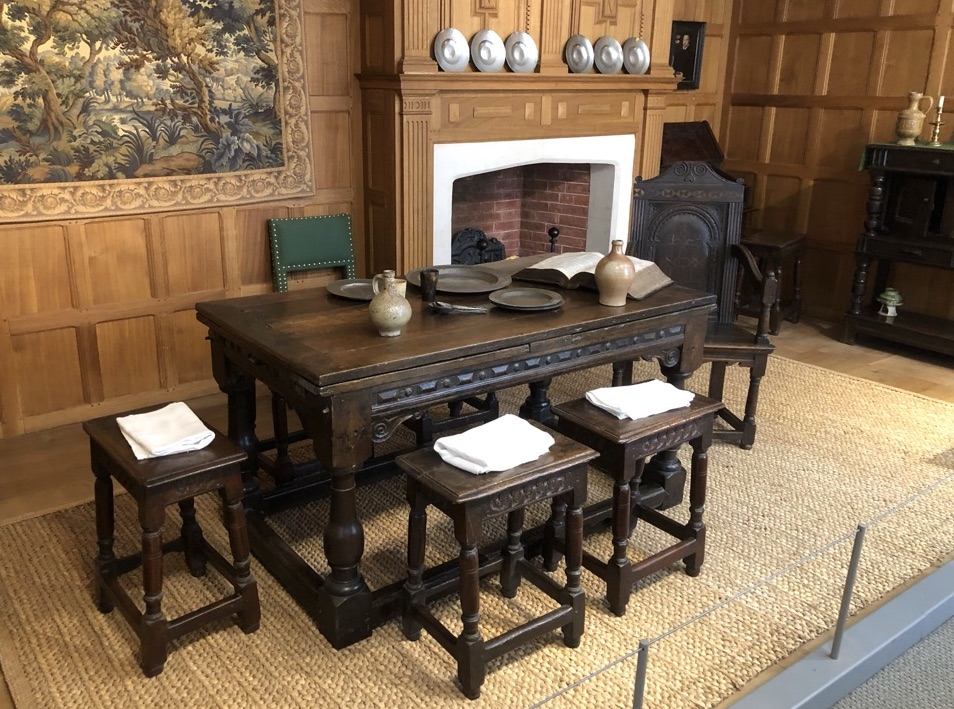
A museum for people who do not like museums
The Museum of the Home is in many ways a museum for people who do not actually like museums much or who get easily bored by them. It speaks in particular to those who do not see the point of preserving or engaging with the past for its own sake and who are looking for something more tangible to relate to.
The ratio of interactive elements to actual items on display is fairly high. A large part of the display is made up of contemporary photographs which could have been taken in your neighbours’ kitchens, living rooms and gardens.
Near the entrance to the collections, there is a wall of photos sent in by ordinary people in the UK to document their life during the pandemic, featuring people working, doing yoga and having their hair done at home. On the main exhibition floors, there are images of identically shaped living rooms in a block of flats individualised by their tenants with their different arrays of furniture, curtains, books, gadgets and knick-knacks. There are photos of pensioners in their gardens and of teenagers in their bedrooms, families, singles and house shares. There are pictures of happy families and those experiencing loss, young carers and people threatened by homelessness.
Much of what we see could also feature in a newspaper report or TV documentary about living conditions in the present-day UK. The lines between journalism and the museum are deliberately blurred to make us relate better to what is on display.

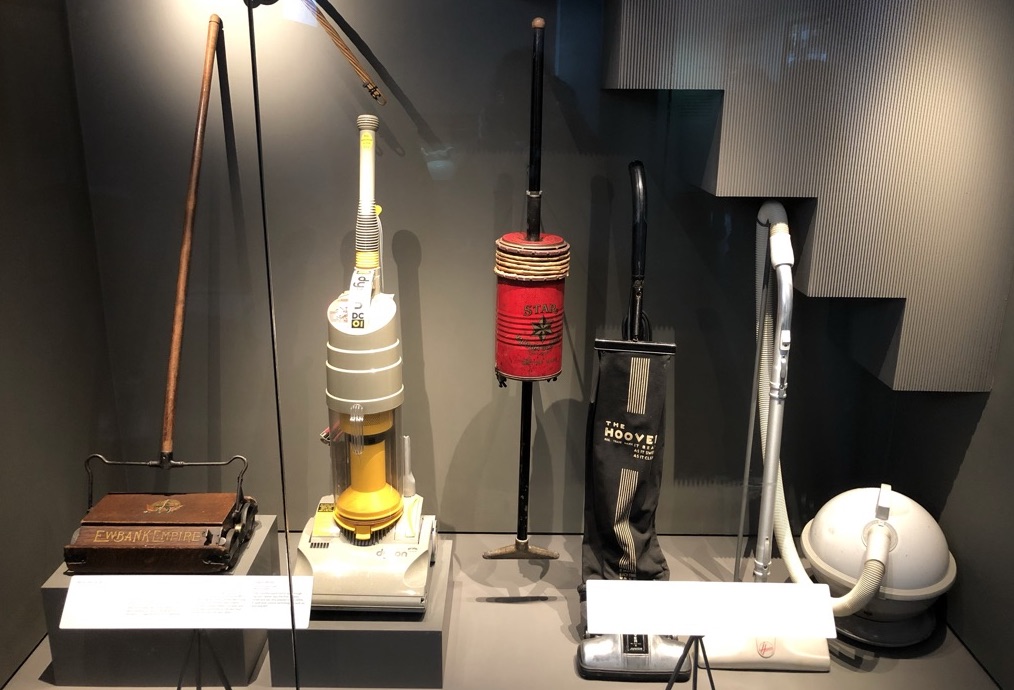
The museum also plays with nostalgia in many ways, showing twee tea sets, doylies and screaming yellow-and-brown wallpaper alongside futuristic looking TV sets and Hoovers from the 1950s and 1960s, bright orange cassette tape holders and a pre-historic Mac, triggering memories of your own family photos, heirlooms and the first time you used a computer.

 The History Woman's Blog